Showing posts with label real estate. Show all posts

Tuesday, February 13, 2018

Daytona Beach Home Inspection and the FBC


Home Inspection (386) 624-3893

The Florida Building Code

The Florida Building Code became effective on March 1, 2002 and was created by the law ratified by Florida Legislature in 1998. The Florida Building Commission was motivated to create the first state-wide building code after Hurricane Andrew devastated South Florida on August 24, 1992.  

Just because we have a statewide building code now, people assume we have always had a building code in Florida.  New home buyers always ask me, if the house they are buying is built to code.  As a home inspector, we do not quote code but the code in Florida is new.  If you are buying a home built before 2002 the question, "Is the home built to code?" is not relevant.

South Florida Building Code

South Florida Building Code has been around much longer. The reason for creating the South Florida Building Code was tropical and hurricane storm damage.  Between 1900 and 1950 108 Hurricanes affected the State of Florida resulting in 3,500 deaths and property damage that would be equal to 4.5 billion dollars in today's currency.
In South Florida, a panel was formed and they worked with the American Society of Civil Engineers (ASCE) and other research groups to devise wind-loading design. They created a formula for calculating anticipated wind loads from hurricane force winds, taking into account both the wind speed and the height above ground.  Miami-Dade County commissioners voted October 29, 1957 and the South Florida Building Code became effective in Miami-Dade County, December 31, 1957.  Broward County later adopted a modified version of the South Florida Building Code, Dade County Edition.

Florida Building Code Background

When Hurricane Andrew hit South Florida, it exhibited a serious statewide deficiency in home construction standards. Our antiquated system of locally administered building codes and enforcement was inadequate. A statewide building code and enforcement agency was needed. Compliance or enforcement in a single county could affect homeowner insurance companies statewide.
Andrew broke all previous records for insurance losses at the time, and was the direct source of Florida's worst insurance catastrophe. Florida was seriously under-insured and overexposed; insurers suddenly comprehended that all of the worst case calculations were completely underestimated.

Many insurers just left Florida and the ones that stayed raised rates to staggering new levels in order to avoid the very real risk of sudden bankruptcy following another huge storm. Homeowners all over Florida were affected as they saw their rates rise drastically and found a lack of available new insurance threatening to pull the plug on development in every part of the state.

We were using the 5th Edition of the Florida Building Code from 2014. The Effective Date for the Florida Building Code 6th Edition (2017) is December 31, 2017.


Best home inspector in Daytona Beach (386) 624-3893
Frank Carr is the Owner / Inspector at First Choice Home Inspections in Deltona, FL serving Volusia, Seminole, Orange and Lake Counties. Formerly in the building trades, Frank’s focus is a safe home in the Orlando Metro and Daytona Beach areas of Central Florida and building FCHI. We believe that consumers have the right to expect the highest standards of thoroughness, fairness and effectiveness from their home inspector and that is exactly what we provide.
 
First Choice Home Inspections
Residential Home Inspections in Central Florida
(386) 624-3893 

Tuesday, March 1, 2016

Daytona Beach Home Inspection by Licensed Inspector

Best Home Inspection in Daytona Beach Florida 

Best Home Inspection in Deland FL (386) 624-3893
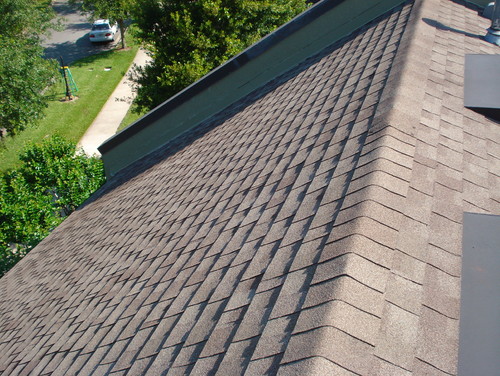
We walk the roof!  Our inspectors are certified on all roofing types including
tile and slate.  Ask your inspector if they inspect the roof.  Touch and feel is
as important as sight when inspecting a roof.  Drones can not touch or feel.
Taking pictures is not inspecting it is recording.

Now you can put our outstanding reputation for service and reliability to work for you. By contracting First Choice Home Inspection, you benefit from experienced Central Florida home inspectors that deliver computerized reports using the latest technology.  Our reporting system meets and exceeds the state standards. We encourage your presence during the inspection. By being present at the inspection, our professional home inspector can familiarize you with the home and explain things to you as they progress through the inspection.

Daytona Beach Home Inspectors

First Choice Home Inspections

Our Volusia County Home Inspectors are bound to a strict code of ethics; this ensures quality service while providing important protections. For example, our inspectors must:
 
·         Work Exclusively for the Customer
·         Follow Nationally Accepted Standards of Practice
·         Do Not Perform Repairs on Any Property Inspected
 
Our Volusia County Home Inspectors are InterNachi certified in addition, they are familiar with a wide variety of situations. We believe that consumers have the right to expect the highest standards of thoroughness, fairness and effectiveness from their home inspector and that is exactly what we provide.

First Choice Home Inspections (386) 624-3893


HOME INSPECTION SERVICES in Volusia County

SCHEDULE YOUR DAYTONA BEACH HOME INSPECTION:  (386) 624-3893


Best Volusia County Home Inspector, Frank Carr (386) 624-3893
Frank Carr is the Owner / Inspector at First Choice Home Inspections in Deltona, FL serving Volusia, Seminole, Orange and Lake Counties. Formerly in the building trades, Frank’s focus is a safe home in the Orlando Metro and Daytona Beach areas of Central Florida and building FCHI. We believe that consumers have the right to expect the highest standards of thoroughness, fairness and effectiveness from their home inspector and that is exactly what we provide.
 
First Choice Home Inspections
Residential Home Inspections in Central Florida
(386) 624-3893 

Sunday, February 1, 2015

Hiring a Home Inspector in Daytona; 7 Questions to Ask?

When purchasing a new or existing home; the most critical part of the buying process is the home inspection.  Never sign a waiver to surrender your rights to a home inspection, even on a new home.  Don't be fooled into letting anyone convince you, that a 4 Pt Inspection is a home inspection or as good as a home inspection.  Today, more than ever before it is important to inspect new home construction.  Building supply and skilled labor shortages have home builders scrambling to meet inspections deadline.  A home inspection is your right in the buying process and should never be relinquished.   The home inspection process is in place for your protection, to discover any defects or building flaws unknown or not disclosed by the seller.

Once you have selected your dream home; how do you find the right home inspector to investigate your future home and investment?  In the selection process; there are seven critical questions you should ask a home inspector.


https://www.myfloridalicense.com/wl11.asp?mode=0&SID=
1.     Is the home inspector licensed by the state or approved agency?  Many states require a home inspector to obtain a state license to inspect homes.  If you are obtaining financing through a government program, VA, HUD, or FHA; that agency may also require an additional certification or approval for the home inspector.  You should verify the license with your state or agency prior to contracting the home inspector.


2.     What is the inspector’s background and certifications?  The inspector’s background certifications are critical to their understanding of building technologies.  Your inspector should have a basic knowledge of the construction process to thoroughly evaluate the property being inspected.  The inspector should be able to determine whether a crack is structural or cosmetic based on their knowledge of the buildings obscured structure that lies beneath the drywall.  Has the inspector stayed current on modern building technologies and what certifications have they completed?  Home inspector organizations, like National Association of Home Inspectors (NAHI), require inspectors to stay current and take continuing education units (CEUs) that often exceed state requirements.  Ask if they are a member of a national organization.


3.     How many years has the company been in business?  Has the company met the requirements to stay in business and are they current with modern building technologies.


4.     Ask how many inspections a day does the inspector complete?  Is the inspector working for your best interests or his?  One or two is the answer you are looking for.  If the inspector is completing three or more, it is likely they are cutting corners to complete all the inspections.


5.     How much time is spent at an inspection?  This number should vary based on the size of a home.  The basic number you are looking for is 1 hour plus 1 hour for every 1000 square feet.  Older homes, occupied home and homes with crawlspaces will take longer.  If the inspector is inspecting a 3,500 sq. ft. home in less than 4½ hours on site, they are most likely not the best inspector for your family.  This time should not include the completion of the written report.


6.     Written Report, How Long? How many Photos? There are many styles of written reports, which will be determined by the preference of the inspector.  That being said, style is not as important as content.  There should be at least one overview page, one page per system (7) and one page per room.  A typical 3 bedroom, 2 bath, and two car garage should have a minimum of 20 pages excluding photos.  Photos again may be a personal preference but should include at least one per deficiency noted in the report.  The minimum number is 15-20, but if a picture is worth a thousand words, 20-30 is better.  


7.     Does the Inspection Company and the Inspector carry insurance?  Who would the courts consider liable for damage to the property during the time of the inspection?  What type of insurance do they carry and what is the liability amount of the insurance?  Many states require an inspector carry minimum liability insurance, but would it cover full damages to the property in the worst case scenario? 
When purchasing your home, you may not have to be an expert on the home, but you should have a knowledgeable inspector on your side.  You should feel secure in the knowledge that your family and your investments are safe.  Choose wisely, when selecting a home inspector and never put your family’s safety at risk by waiving the inspection.  Never select an inspection company based on price or how quick they can complete an inspection.  One item found by a competent inspector can save you thousands of dollars in repairs down the road.

Best New Smyrna Beach Home Inspector (386) 624-3893
Frank Carr is the Owner / Inspector at First Choice Home Inspections in Deltona, FL serving Volusia, Seminole, Orange and Lake Counties. Formerly in the building trades, Frank’s focus is a safe home in the Orlando Metro and Daytona Beach areas of Central Florida and building FCHI. We believe that consumers have the right to expect the highest standards of thoroughness, fairness and effectiveness from their home inspector and that is exactly what we provide.
 
First Choice Home Inspections
Residential Home Inspections in Central Florida
(386) 624-3893 

Tuesday, December 17, 2013

Fireplaces, Furnaces and Heater Home Safety

It is approaching that time of year again when we will be firing up our heaters, fire places and furnaces.  Have you had your annual maintenance checkup or your fireplace chimney inspected and cleaned?  These are important things to consider, but did you forget to check your batteries in your smoke and CO alarms.  Most homes have smoke alarms (detectors); more than 33 percent of these homes are not protected because the smoke alarms don’t work.  When a smoke alarm fails to work, it is frequently because the batteries are missing. People often remove or disconnect batteries to prevent nuisance activation caused by bathroom steam or cooking vapors.  Was your smoke alarm on a recall list?

Smoke and Fire
Most fire deaths occur in the middle of the night.   No smoke alarms were present or they did not operate in nearly 75% of residences where a fire fatality occurred, according to FEMA statistics.  A smoke alarm is the most valuable life saving device you can have in your home.  An operable smoke alarm will reduce your chances of dying in a fire, nearly in half.  Smoke alarms are designed to detect and warn that silent, but deadly smoke is in the air. The early warning will wake you and your family, allowing time to escape your burning home.
At 40 percent, cooking is the leading cause of residential structure fires. Heating causes another 14 percent. These percentages (and those that follow) are adjusted, which proportionally spreads the unknown causes over the other 15 causes.
The two leading causes of residential fatal fires are smoking, at 18 percent, and other unintentional or careless actions, at 14 percent. The leading cause of residential fires that result in injuries is cooking (26 percent), followed by other unintentional or careless actions (11 percent) and open flame (also 11 percent). Cooking is, by far, the leading cause of fires with property loss, at 20 percent.1
1  U.S. Fire Administration/National Fire Data Center, Fire in the United States 2003-2007 Fifteenth Edition

Carbon Monoxide

People are at an increased risk of carbon monoxide poisoning during the winter months. Well-insulated, airtight homes and malfunctioning heating equipment can produce dangerously high and potentially deadly concentrations of carbon monoxide.
Carbon monoxide is a by-product of incomplete combustion, any fuel-burning appliance, vehicle or tool that is inadequately vented or maintained can be a potential source of carbon monoxide gas.
Examples of fuel- burning equipment include: 
  • Fuel - furnaces and space heaters. 
  • Propane or Gas - fireplaces, (both vented and ventless), space heaters, ranges and ovens, clothes dryers, grills, smokers, and deep fryers.
  • Wood burning fireplaces and stoves 
  • Charcoal grills and smokers 
  • Gasoline – automobiles, lawnmowers and power tools
Gas fireplaces are gaining in popularity based on their low cost, convenience and relative ease of installation.  Ventless or vent free gas fireplaces are not vented to pipes or chimneys. The burned gases including carbon monoxide are put into the circulation of the air within your home.  Based upon the health risks associated with the use of ventless gas fireplaces, their installation is illegal in many areas of the country.
Prevent or minimize the potential for exposure to carbon monoxide gas. 
  • Have your home-heating systems, fuel-burning appliances, flues and chimneys inspected, cleaned or schedule an annual home checkup by a qualified home inspector. 
  • Make regular visual inspections of fuel-burning appliances such as your gas dryer and hot water heater. 
  • Do not burn charcoal inside a home, cabin or camper.
  • Do not operate gasoline-powered engines (generators, cutting saws) in confined areas such as garages or basements. 
  • Do not idle your car inside the garage. 
  • After a hurricane or storm, make sure vents for the gas dryer, furnace, stove and fireplace are clear of debris and intact. 
  • Never use gas ovens and ranges to heat your home!
Check your Smoke and CO alarms frequently.  Smoke alarms are set off by bathroom steam or cooking vapors. Rather than take the battery out of your alarm, do the following: 
  • Quiet the alarm by pushing the “HUSH” button, if equipped. 
  • Open windows and turn on vent fans to clear the air.
  • Consider relocating the alarm farther away from the cooking area or bathroom.
  • Consider installing a photoelectric or combination photoelectric/ ionization type alarm. The photoelectric and combination type alarms are less sensitive to cooking smoke.

Causes of Christmas Fires

Cooking, heating, and open flames are the major cause of Christmas fires, according to the US Fire Administration.  This is not surprising due to holiday cooking and the more prevalent use of home fireplaces, displays, and decorations involving candles.  The daily incidence of candle−started fires quadruples on Christmas Day.
Daytona Beach Home Inspection, First Choice Home Inspections (386) 624-3893

Opinions of a Home Inspector

Christmas is the time to spend with your family and friends, not to worry and agonize if you will have a fire.  Every Christmas the sounds of fire engine sirens overpower my family’s holiday music.   We often worry if the sirens are for one of our friends or neighbors.  You should have all your heating and cooking equipment inspected and serviced before your family arrives.  Fireplaces should be inspected yearly and cleaned regularly.  Be aware of the placement of candles and decorations.  Make sure you give your live Christmas tree plenty of water and keep it away from candles and fire places.  May your Christmas be worry free and full of holiday cheer.


LPGA Daytona Beach Home Inspection (386) 624-3893, Best Volusia County Home Inspection
Frank Carr is the Owner / Inspector at First Choice Home Inspections in Deltona, FL serving Volusia, Seminole, Orange and Lake Counties. Formerly in the building trades, Frank’s focus is a safe home in the Orlando Metro and Daytona Beach areas of Central Florida and building FCHI. We believe that consumers have the right to expect the highest standards of thoroughness, fairness and effectiveness from their home inspector and that is exactly what we provide.
 
First Choice Home Inspections
Residential Home Inspections in Central Florida
(386) 624-3893 


Friday, June 14, 2013

Clothes Dryers, A Leading Cause of Home Fires in Daytona Beach

Clothes Dryers Fires in Volusia County Florida!

Clothes dryers have become an indispensable part of American family life.  Today, people are not aware that clothes dryers are a leading cause of fires in the home – approximately 15,000 every year.   It is important to rigorously inspect and clean dryers.  A little preventative maintenance can keep them in good working order and keep your family safe.

Causes of dryer fires in Daytona Beach?


One of the most common causes of dryer fires is lack of maintenance.  When lint traps do not get
Goose neck dryer vent on roof is clogged.  1homeinspector.com (386) 624-3893
cleaned as often as they should be, the resulting build-up in the screen or other areas can cause the dryer to perform poorly, operate at elevated temperatures and possibly overheat with dangerous results.  Vent systems must also be checked and cleaned to maintain proper air flow for the same reasons.  The floor area surrounding the dryer must be lint, dirt, and clothes free.  A lint ball, sock or clothing item can easily be sucked from the floor in front or beside your dryer into the heating coils igniting it and the lint in your dryer vents.

Problems also occur when people place improper items in their dryers, such as foam backed rugs or athletic shoes.  Ensure whatever you put in your dryer is approved and safe to place in a dryer.  When in doubt, check the washing instructions on the tag of the clothing or consult the manufacturer’s website for more information.  Plastic or vinyl exhaust vent materials should never be used.    

Reduce your risk of home dryer fires!


Ensure that your dryer has rigid or flexible metal venting and ducting materials to help sustain airflow. This will also reduce operating costs and extend the life of the dryer and clothing due to lower drying temperatures.

In addition:

  • Clean the lint trap before or after drying each load of clothes.
  • Don’t forget to clean the back of the dryer where lint can be trapped.
  • Ensure the floor around your dryer is free of debris, lint and clothing.
  • The interior of the dryer and venting system should be cleaned periodically by qualified service technician.  If drying time is longer than normal, clean the vent system thoroughly to ensure proper airflow.
  • Replace plastic or vinyl exhaust hoses with rigid or flexible metal venting.
  • Do not dry clothes or fabric on which there is anything flammable (alcohol, cooking oils, gasoline, spot removers, dry-cleaning solvents, etc.). Flammable substances give off vapors that could ignite or explode. 
  • Gasoline should not be stored near dryers or water heaters and should only be stored in approved containers.
  • Read manufacturers’ warnings in use and care manuals that accompany new dryers.  Warnings can usually be found on the inside of the dryer’s lid and take only minutes to read.


Did you know that?


  • Clothes dryers can be found in 80 percent, or 81.5 million homes throughout the United States.
  • A full load of wet clothes placed in a dryer contains about one half gallon of water.  Lint is created from the clothes as water is removed.
  • Clothes dryers are one of the most expensive appliances in your home to operate.  The longer it runs the more money it costs you.
  • The U.S. Consumer Product Safety Commission (CPSC) estimates that 15,500 fires associated with clothes dryers occur annually. These fires account for an average of 10 deaths and 310 injuries and more than $84.4 million in property damage annually.
Dryer fires are a leading cause of home fires.  1homeinspector.com


The Premier Central Florida Home Inspector, Frank Carr of First Choice Home Inspections 1homeinspector.com (386) 624-3893

Frank Carr is the Owner / Inspector at First Choice Home Inspections in Deltona, FL serving Volusia, Seminole, Orange and Lake Counties. Formerly in the building trades, Frank’s focus is a safe home in the Orlando Metro and Daytona Beach areas of Central Florida and building FCHI. We believe that consumers have the right to expect the highest standards of thoroughness, fairness and effectiveness from their home inspector and that is exactly what we provide.
 
First Choice Home Inspections
Residential Home Inspections in Central Florida
(386) 624-3893